Cooled vs Uncooled: Understanding Detector Technology
A comprehensive look at the two main types of thermal detectors, their advantages, and why price differences are so significant.
Everything you need to master thermal imaging technology.
Expert advice on choosing the right thermal equipment for your needs and budget.
Step-by-step video guides covering equipment operation and techniques.
Head-to-head comparisons and in-depth equipment analysis.
Deep dives into thermal technology, science, and applications.
Make informed decisions with our comprehensive equipment guides.
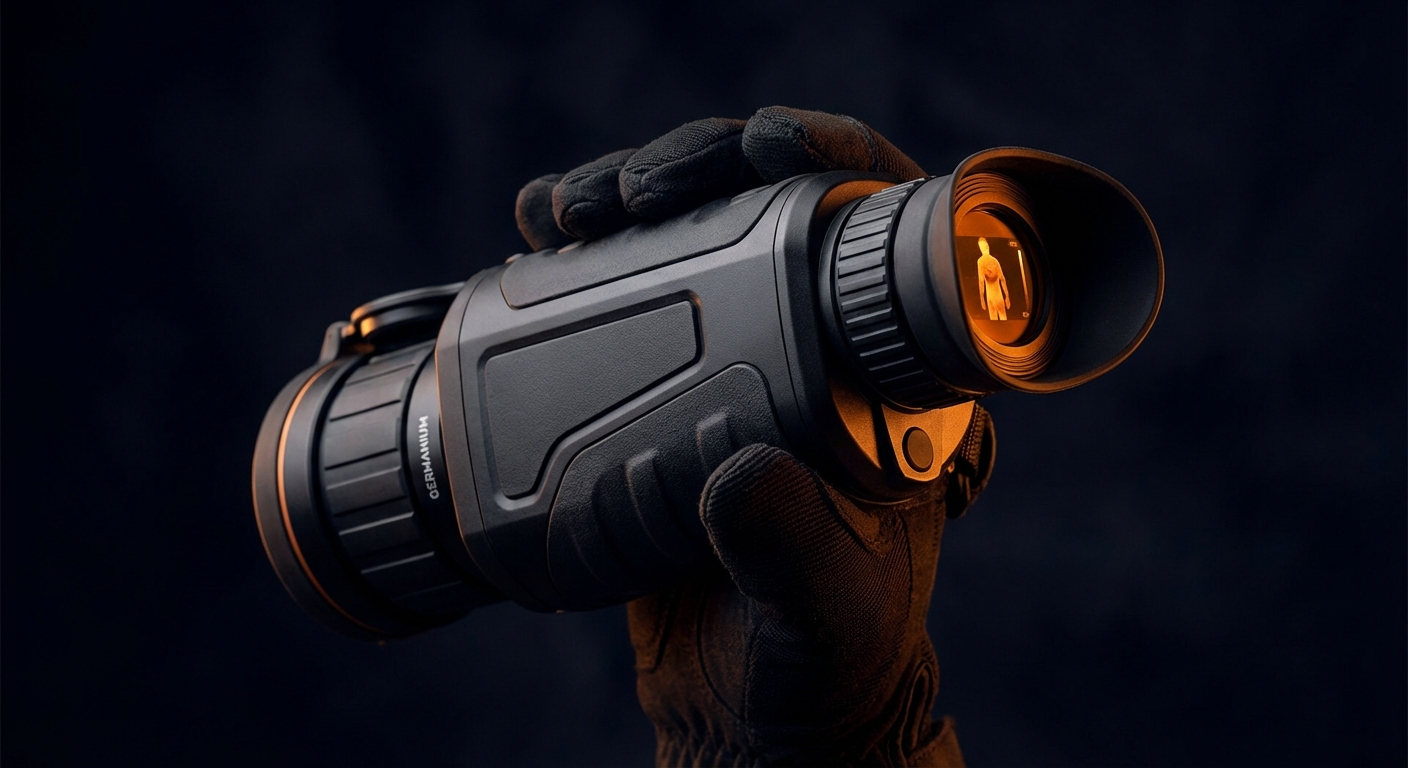 Popular
Everything you need to know about choosing a handheld thermal monocular, from entry-level to professional grade.
Read Guide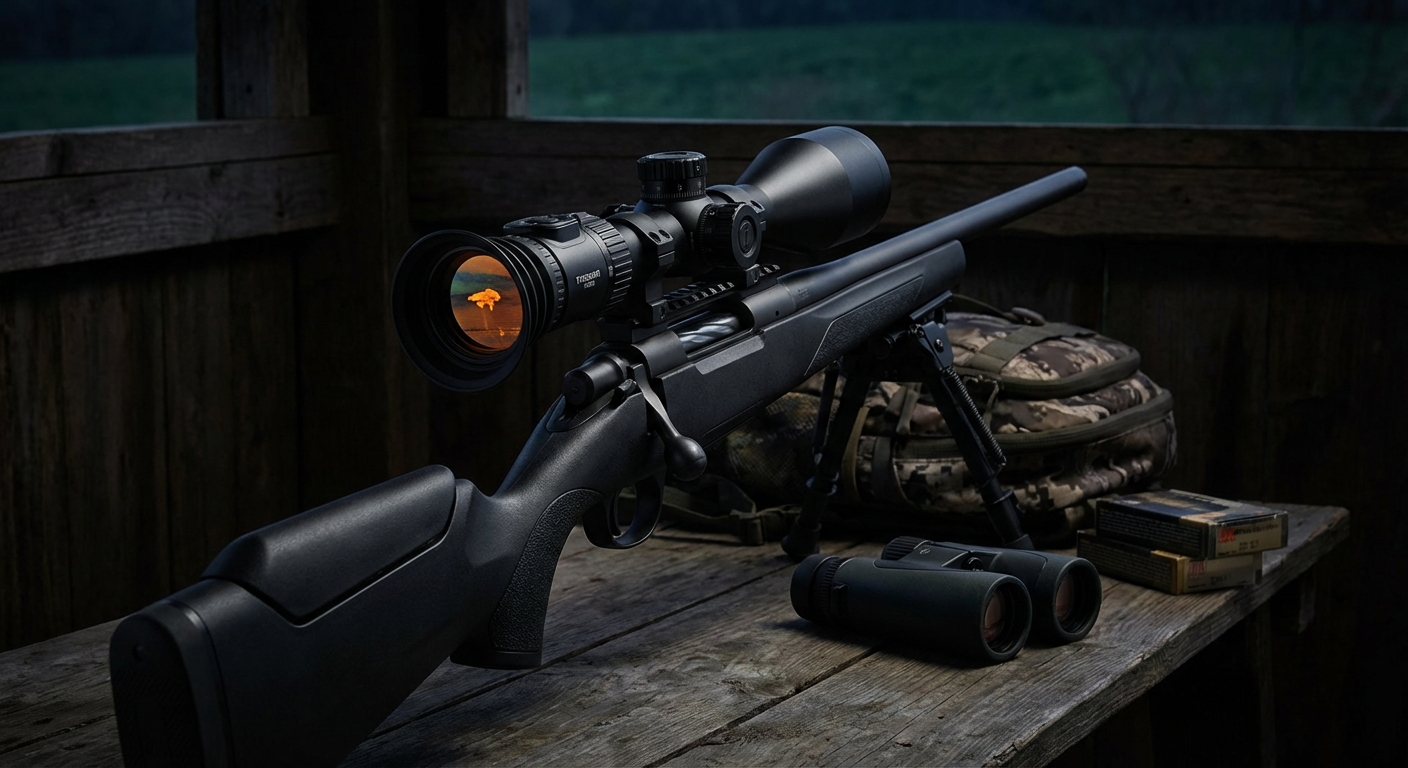 Essential
How to choose the right thermal scope for hunting, including sensor specs, magnification, and mounting considerations.
Read Guide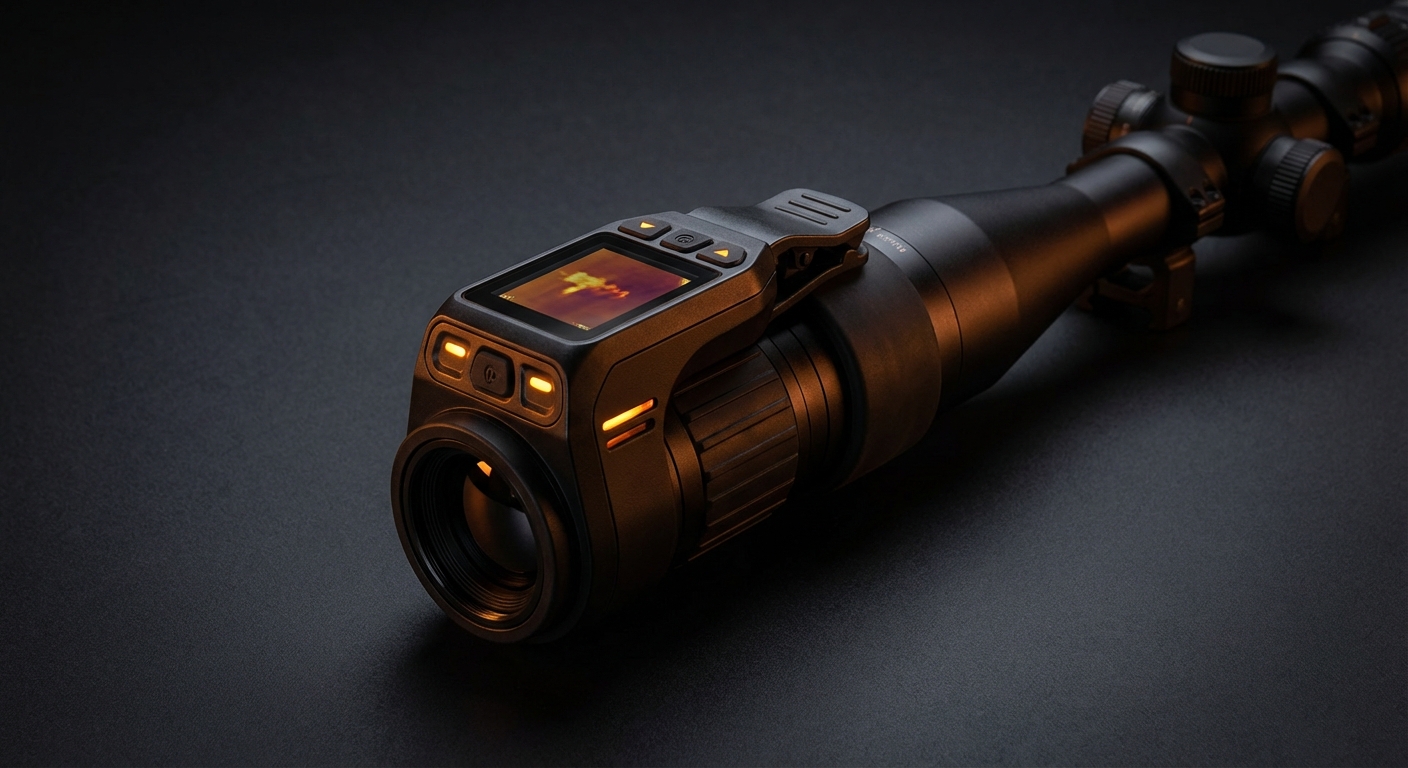
Understanding clip-on thermal devices, their advantages over dedicated scopes, and top recommendations.
Read Guide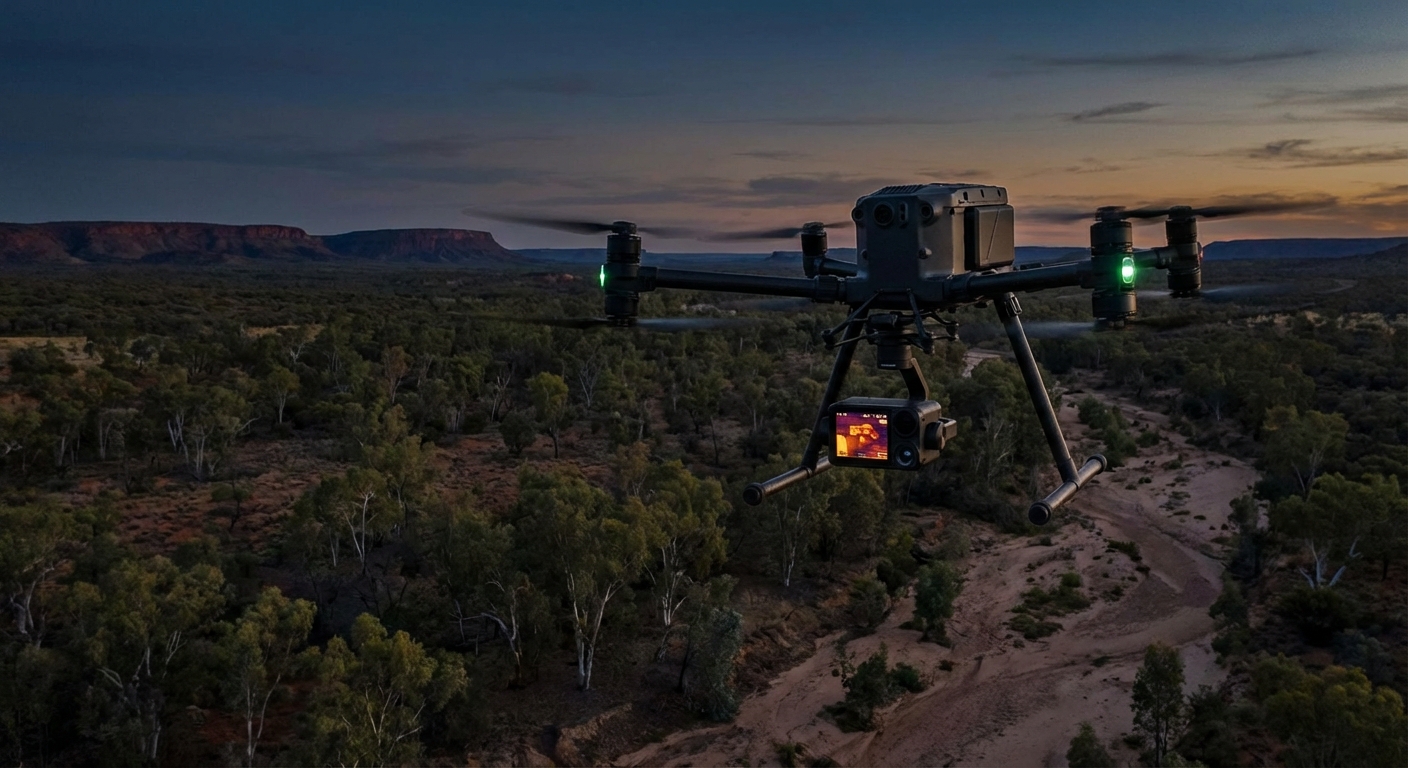 New
New
Guide to thermal-equipped drones for wildlife monitoring, search and rescue, and property inspection.
Read GuideWatch and learn from our expert-led video content.
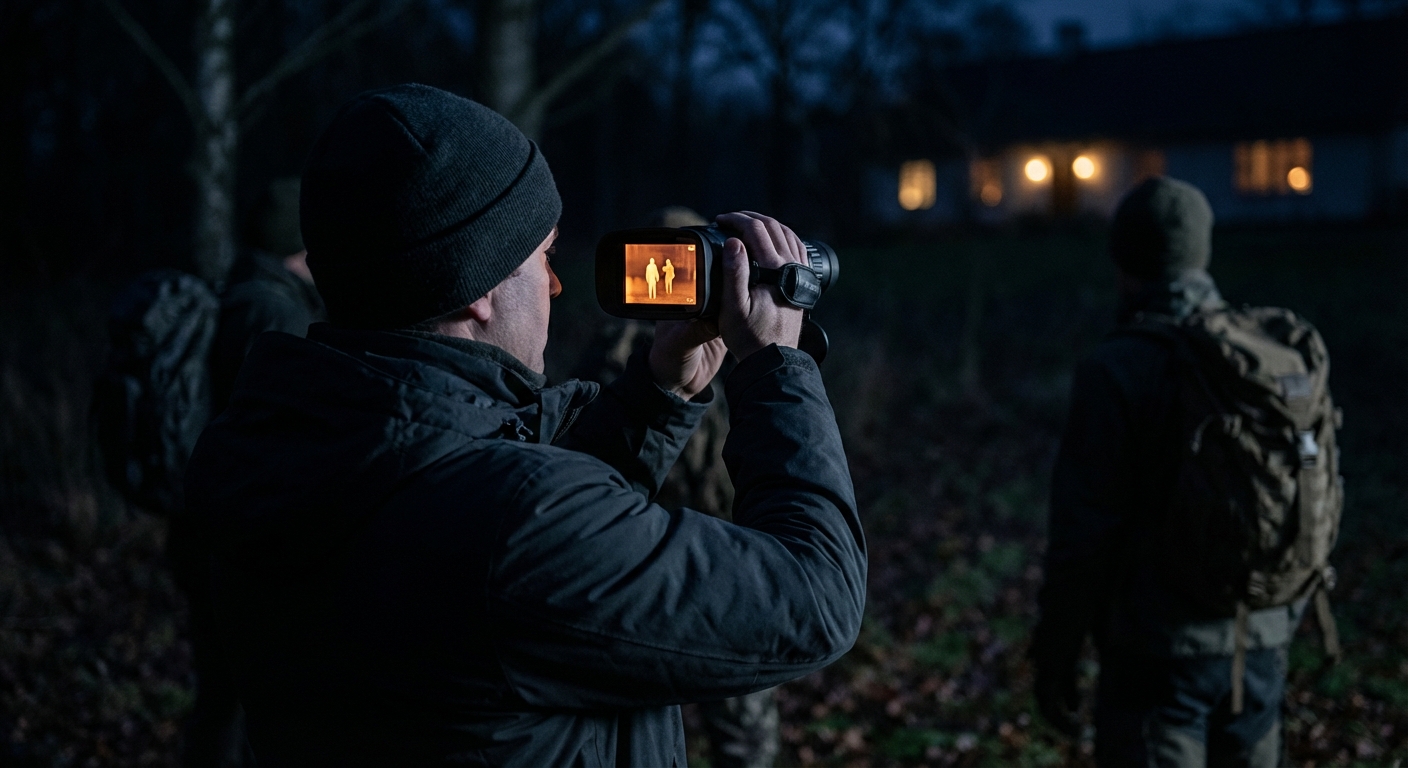
Learn the physics behind thermal imaging, how sensors work, and basic interpretation of thermal imagery.
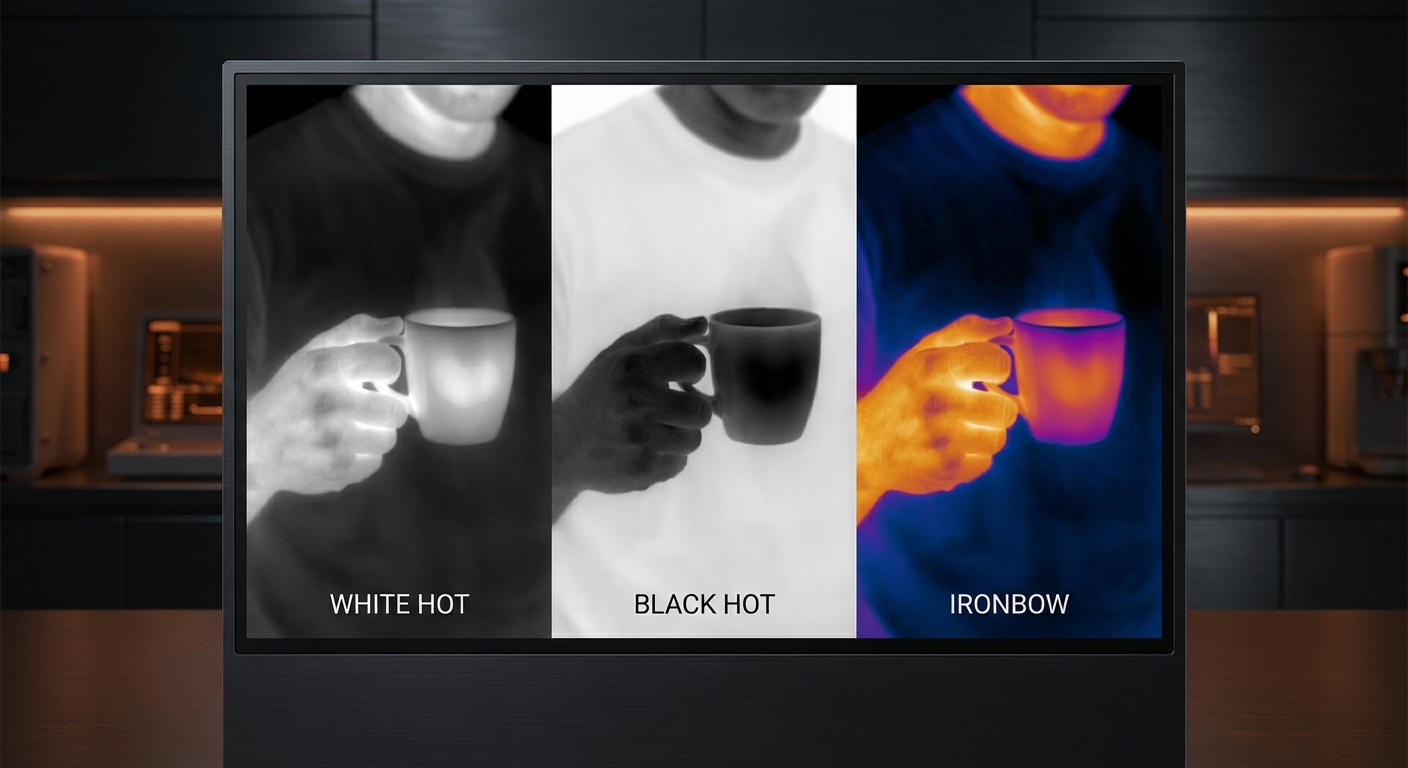
Deep dive into white-hot, black-hot, and color palettes. When to use each for optimal visibility.
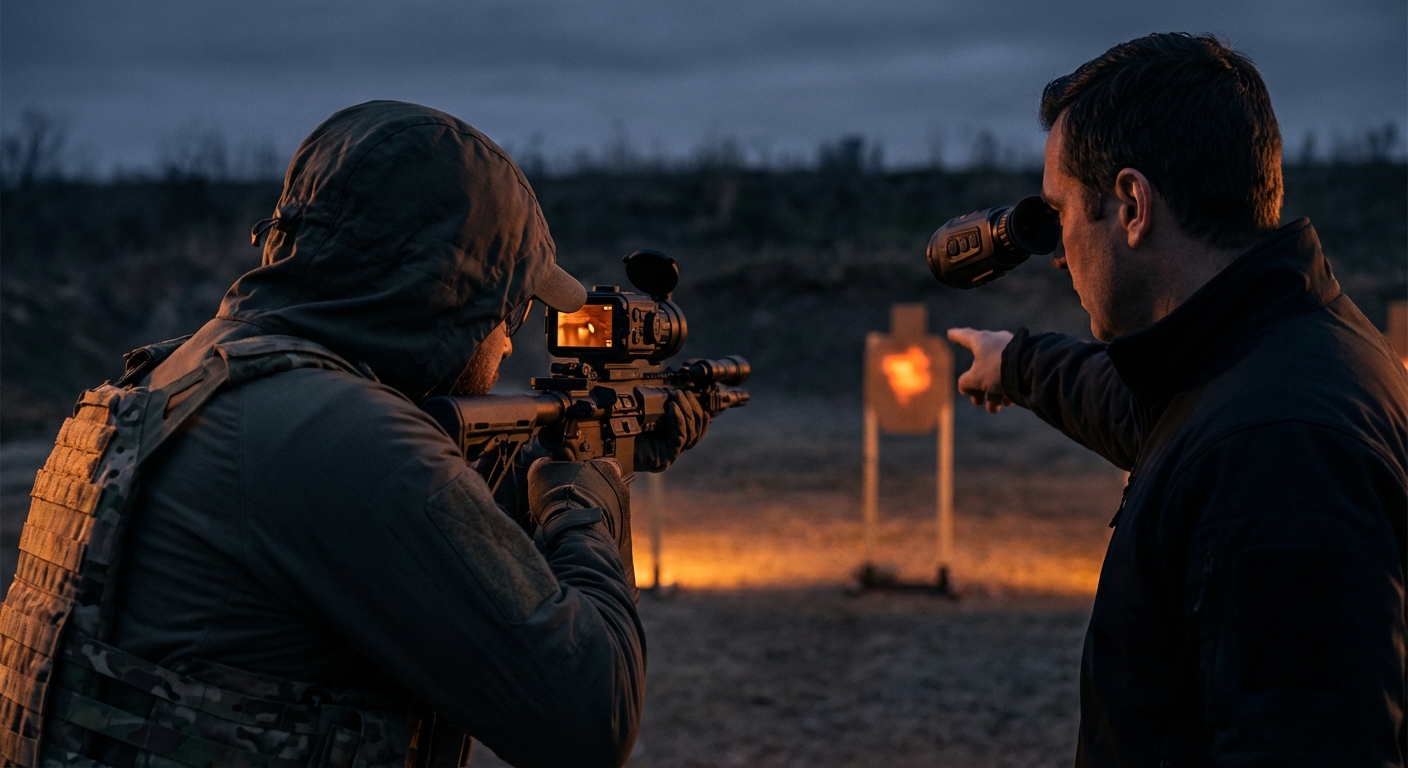
Complete guide to zeroing thermal rifle scopes, including tips for maintaining zero in the field.
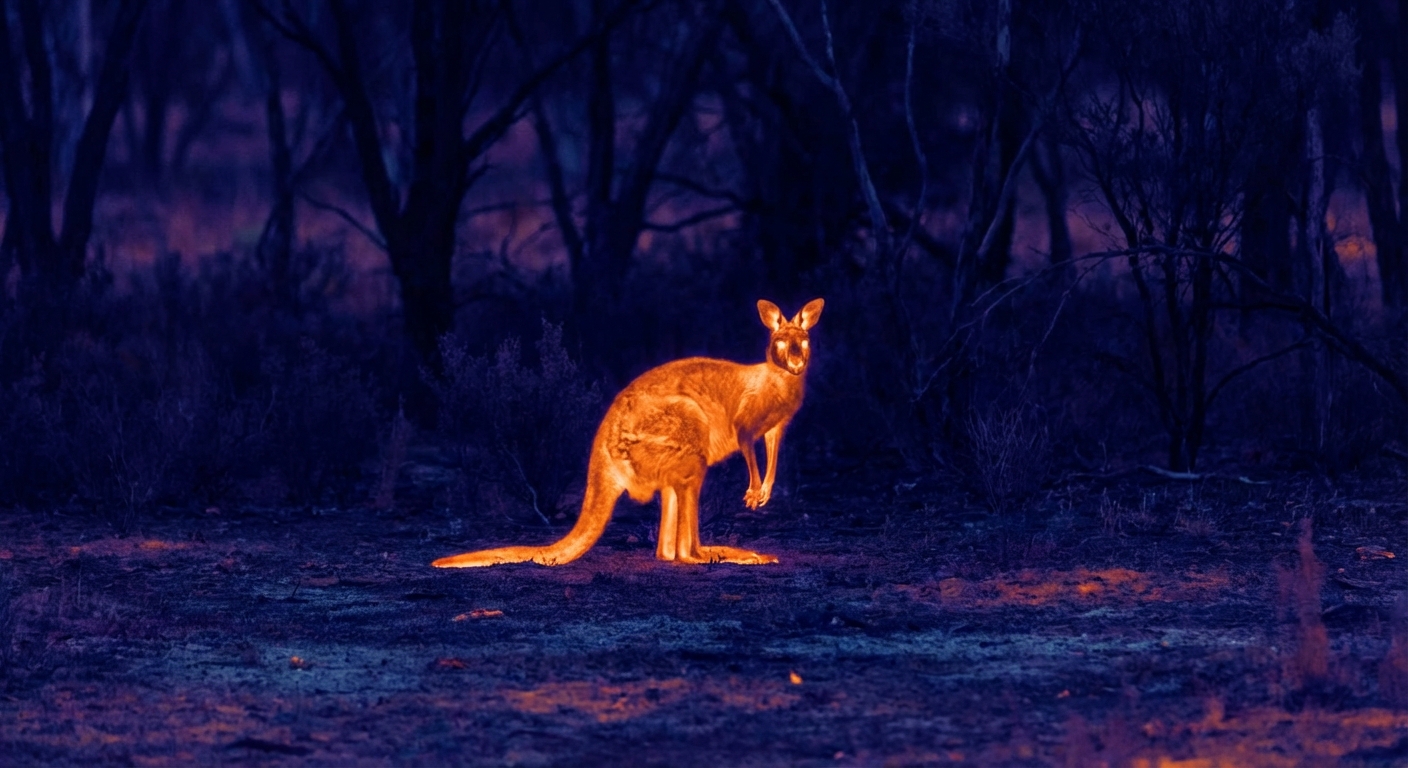
Learn to identify common Australian wildlife through thermal imaging, including size and behavior cues.
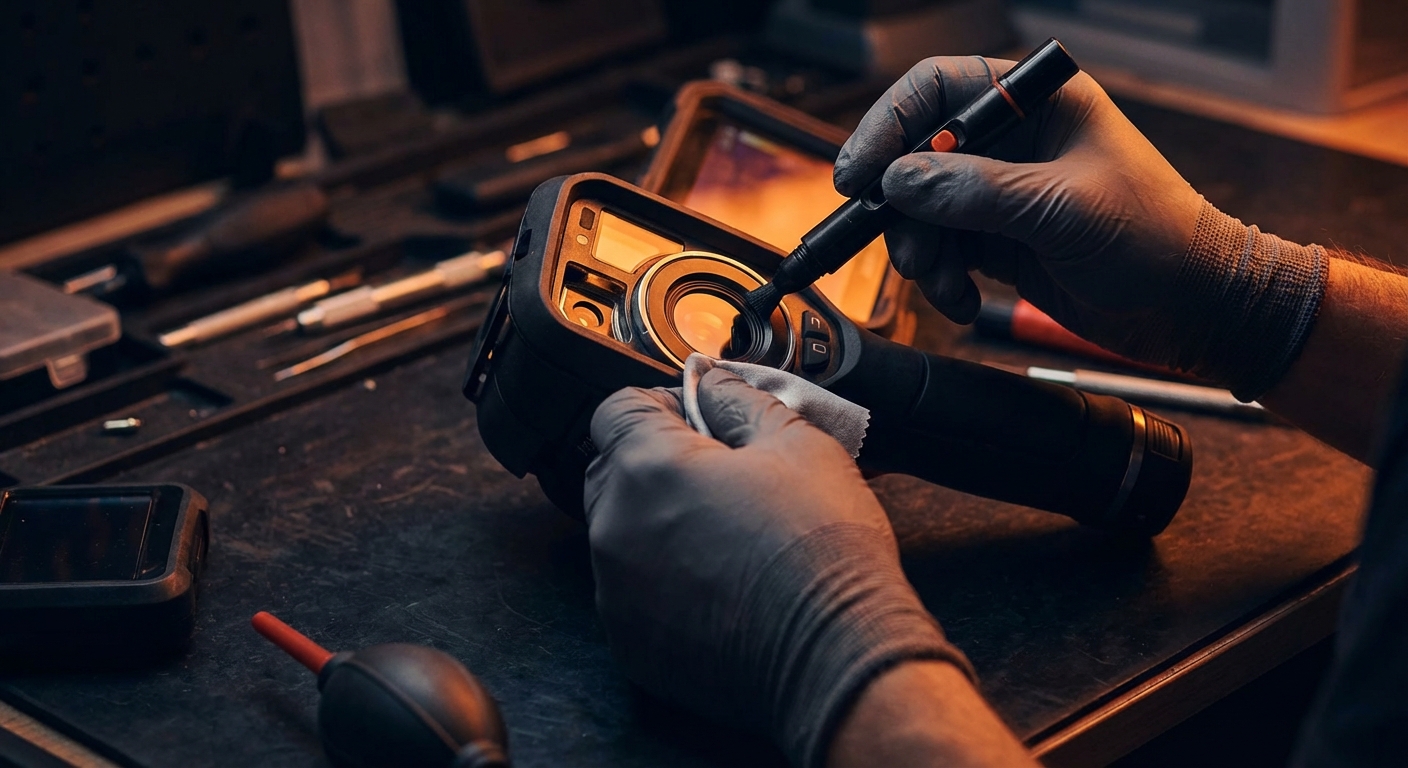
Essential maintenance tips to keep your thermal devices performing optimally for years.
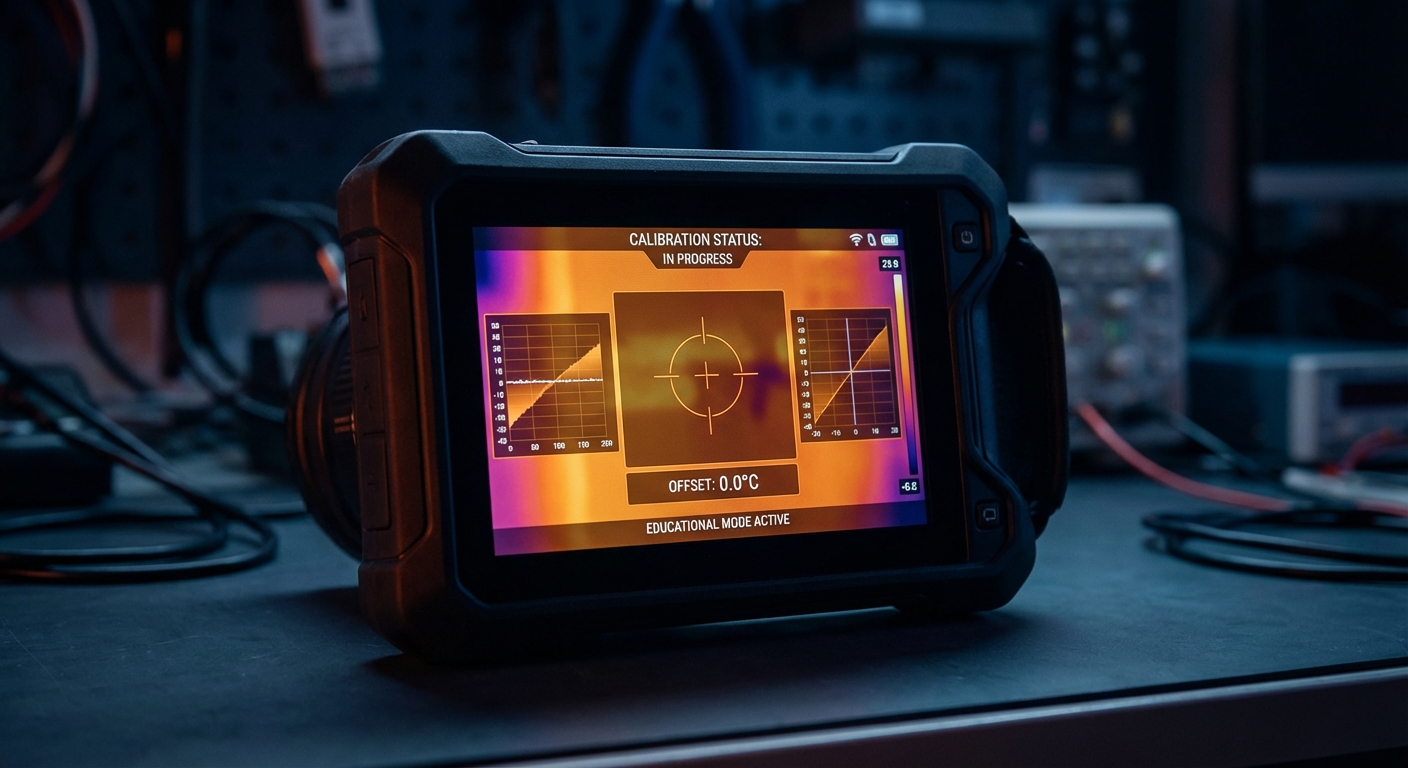
What is NUC? Why does your screen go blank? Understanding thermal calibration processes.
Unbiased, real-world comparisons to help you choose.
In-depth exploration of thermal imaging technology.
A comprehensive look at the two main types of thermal detectors, their advantages, and why price differences are so significant.
Understanding Noise Equivalent Temperature Difference and why it's one of the most important specs when choosing thermal equipment.
Exploring why thermal optics cost so much, the unique properties of germanium, and manufacturing challenges.
How thermal technology is revolutionizing wildlife surveys, from koala population counts to feral animal management.
Understanding how humidity, rain, fog, and temperature gradients impact thermal imaging effectiveness.
How companies like Infiray, Hikmicro, and Guide are disrupting the thermal imaging market with competitive products.
Night vision amplifies available light (stars, moon), while thermal detects heat radiation. Thermal works in complete darkness and can see through smoke, dust, and light foliage. Night vision typically provides more detail and color but requires some ambient light.
For general use, 384x288 is a good starting point. For serious hunting or professional use, 640x480 or 640x512 provides noticeably better detail and detection range. Higher resolution means better identification at distance.
NETD (Noise Equivalent Temperature Difference) measures thermal sensitivity. Lower is better. <40mK is acceptable, <25mK is excellent. Lower NETD means better detection of subtle temperature differences, especially important in challenging conditions.
No. Thermal imaging cannot see through solid objects like walls, glass, or even thin plastic. It only detects surface temperature. The "seeing heat through walls" is a movie myth. You may see temperature differences on walls caused by internal heat sources.
Detection range depends on target size, sensor resolution, and lens size. A quality thermal scope might detect a deer-sized animal at 1,500m+ but identification requires getting much closer. Always check manufacturer specs for detection vs recognition vs identification ranges.
Thermal imaging devices are not restricted in Australia for civilian purchase. However, some states have restrictions on using thermal scopes while hunting, and exporting thermal equipment may require permits. Always check your state's hunting regulations.
Premium members gain access to exclusive content, detailed equipment reviews, member-only webinars, and personalized buying advice from our experts.